

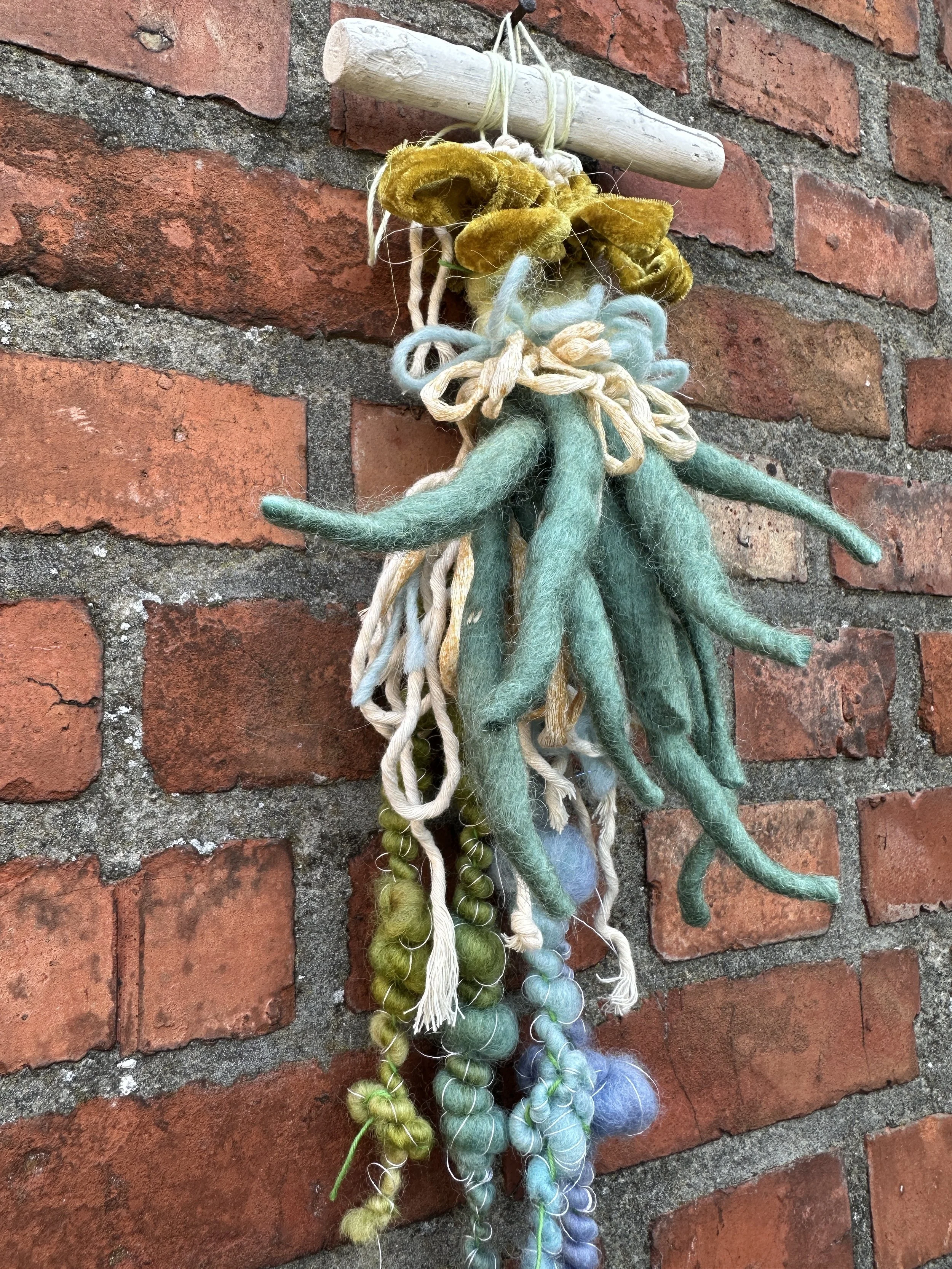
Introducing The Jellyfish Bloom
When Climate Activism Meets Fibre Art
As the earth continues to warm, the impact on sea life and ecosystems is becoming increasingly obvious. Rising sea temperatures are causing coral reefs to bleach and die and changing the migratory patterns of marine animals.
It’s a problem that affects not just the oceans, but the entire planet, including my back garden here in Geel, Belgium.
It’s been hitting over 40 degrees Celsius out there consistently now for the past few summers and I don’t like it one bit, not least because I’m a pasty Irish person and not made for this kind of desert living.

Fibre sculptures for climate awareness
The idea behind the project is to raise awareness of the impact of rising sea temperatures on sea life, and to inspire others to take action, no matter how small.
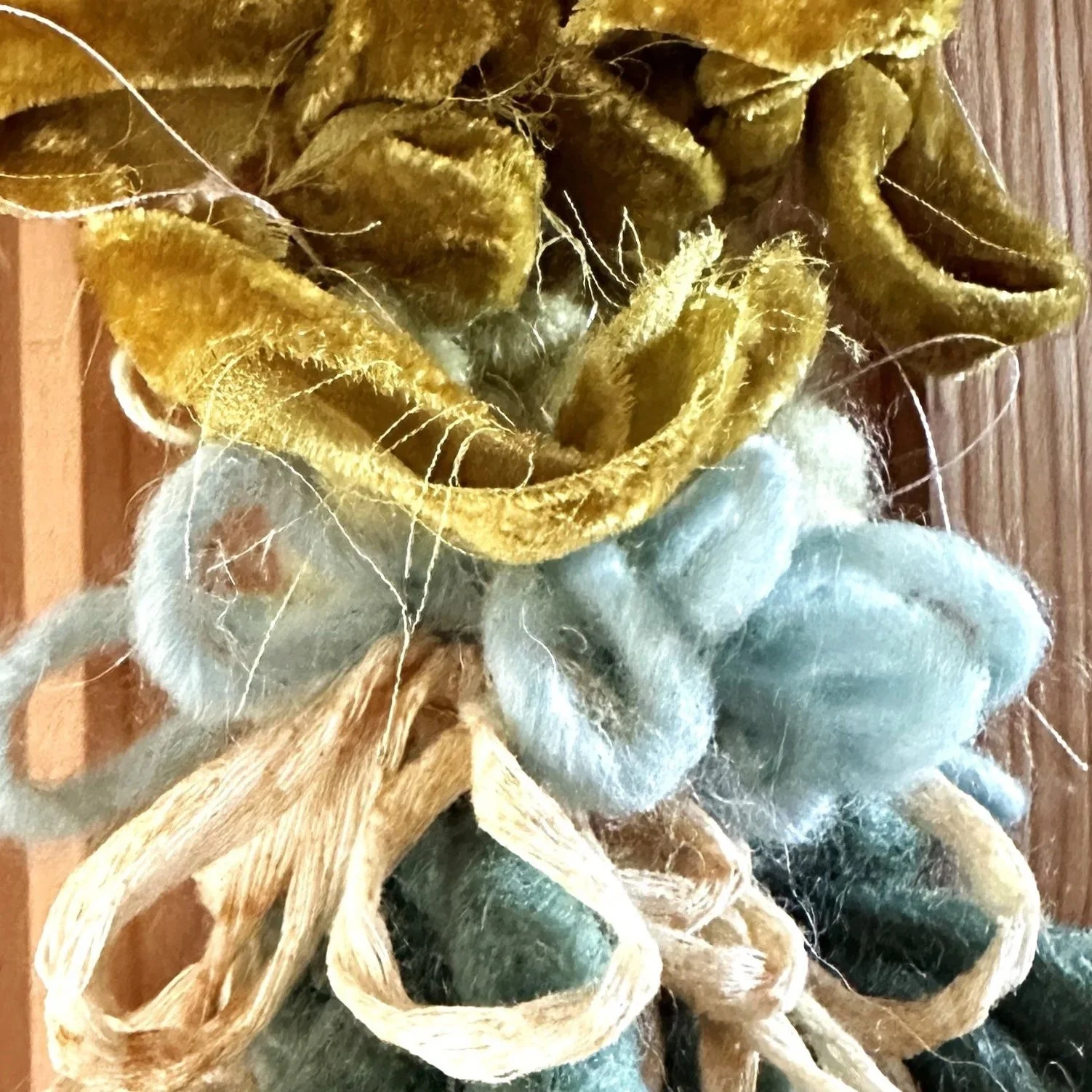
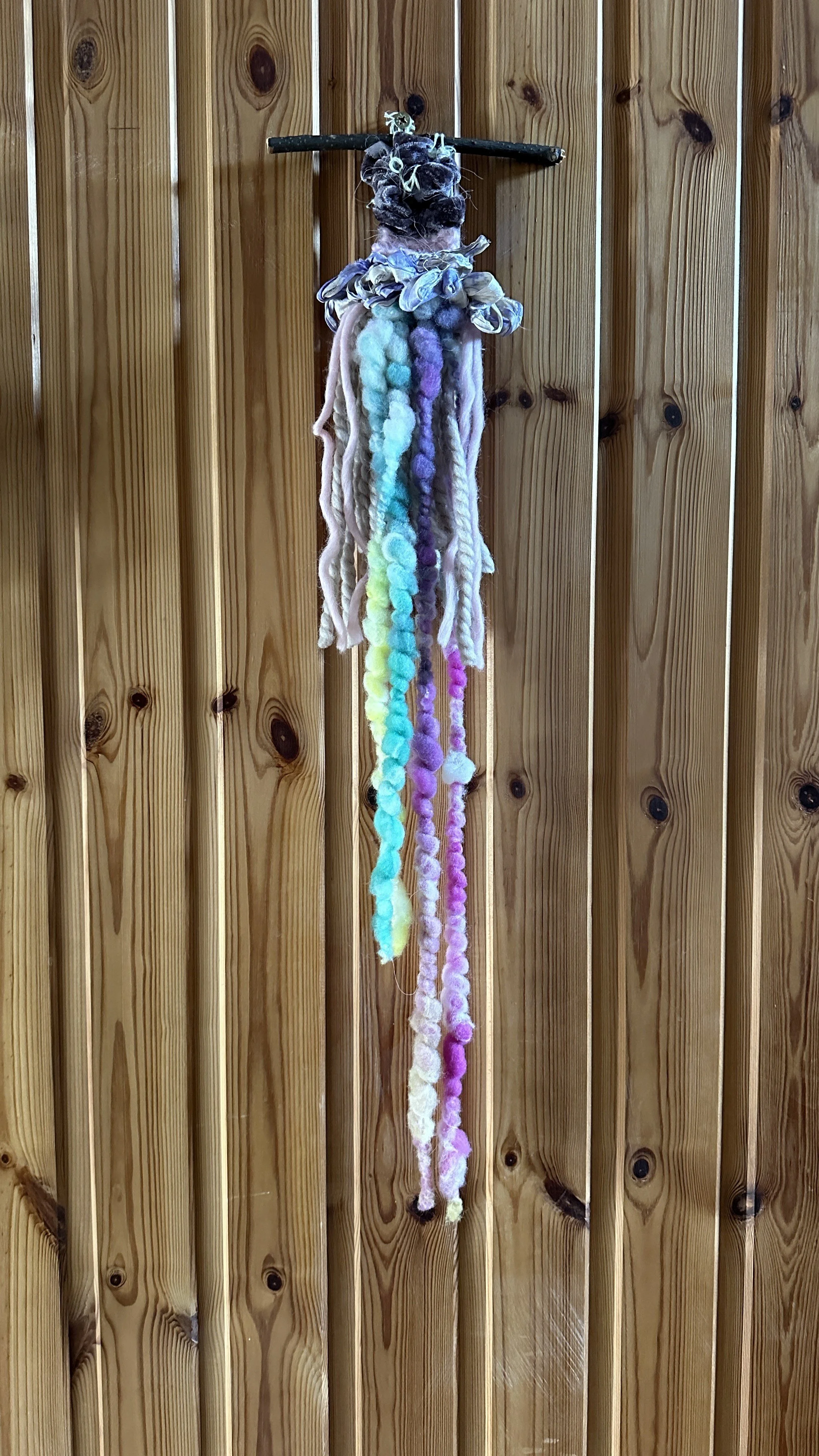
Using a combination of weaving techniques and unique fibres, I create fibre sculptures that are a visual representation of the beauty and diversity of sea life. Each jellyfish is a one-of-a-kind creature, with its own vibrant colours and personality.
What is a jellyfish bloom?
A jellyfish bloom is a sudden, massive increase in the population of jellyfish within a specific area of the ocean. During a bloom, hundreds, thousands, or even millions of jellyfish can swarm together, covering miles of coastline or open water.
While these events can happen naturally, they have become more frequent and severe in recent years due to human activities.
What causes a jellyfish bloom?
Jellyfish are resilient opportunists. When marine environments are disrupted, jellyfish often thrive while other marine life suffers. The main drivers include:
Overfishing: Humans catch predatory fish (like tuna and swordfish) and competing fish (like sardines), leaving jellyfish with fewer predators and an abundant supply of plankton to eat.
Ocean Warming: Warmer water temperatures can accelerate the jellyfish lifecycle, causing them to reproduce much faster.
Eutrophication (Nutrient Pollution): Fertilizer runoff from farms creates "dead zones" with very low oxygen levels. While fish die or flee these areas, jellyfish can tolerate low-oxygen environments perfectly fine, leaving them with zero competition for food.
Coastal Development: Structures like docks, oil platforms, and artificial reefs provide the perfect hard surfaces for jellyfish polyps (their initial life stage) to attach to and clone themselves.
Why are swarming jellyfish a problem?
While a swarm of jellyfish can look mesmerizing, large blooms can cause significant ecological and economic headaches:
1. Ecological Disruption
Jellyfish are voracious eaters. A massive bloom can wipe out local plankton populations, starving out larval fish and disrupting the entire marine food web.
2. Economic Damage to Fisheries
Blooms can tear commercial fishing nets, crush the fish caught inside them, and clog the intake valves of aquaculture fish farms, suffocating thousands of farmed salmon or trout.
3. Power Plant Shutdowns
Coastal power plants and desalination facilities use seawater to cool their reactors. A jellyfish bloom can get sucked into these cooling systems, clogging the filters and forcing expensive, emergency shutdowns.
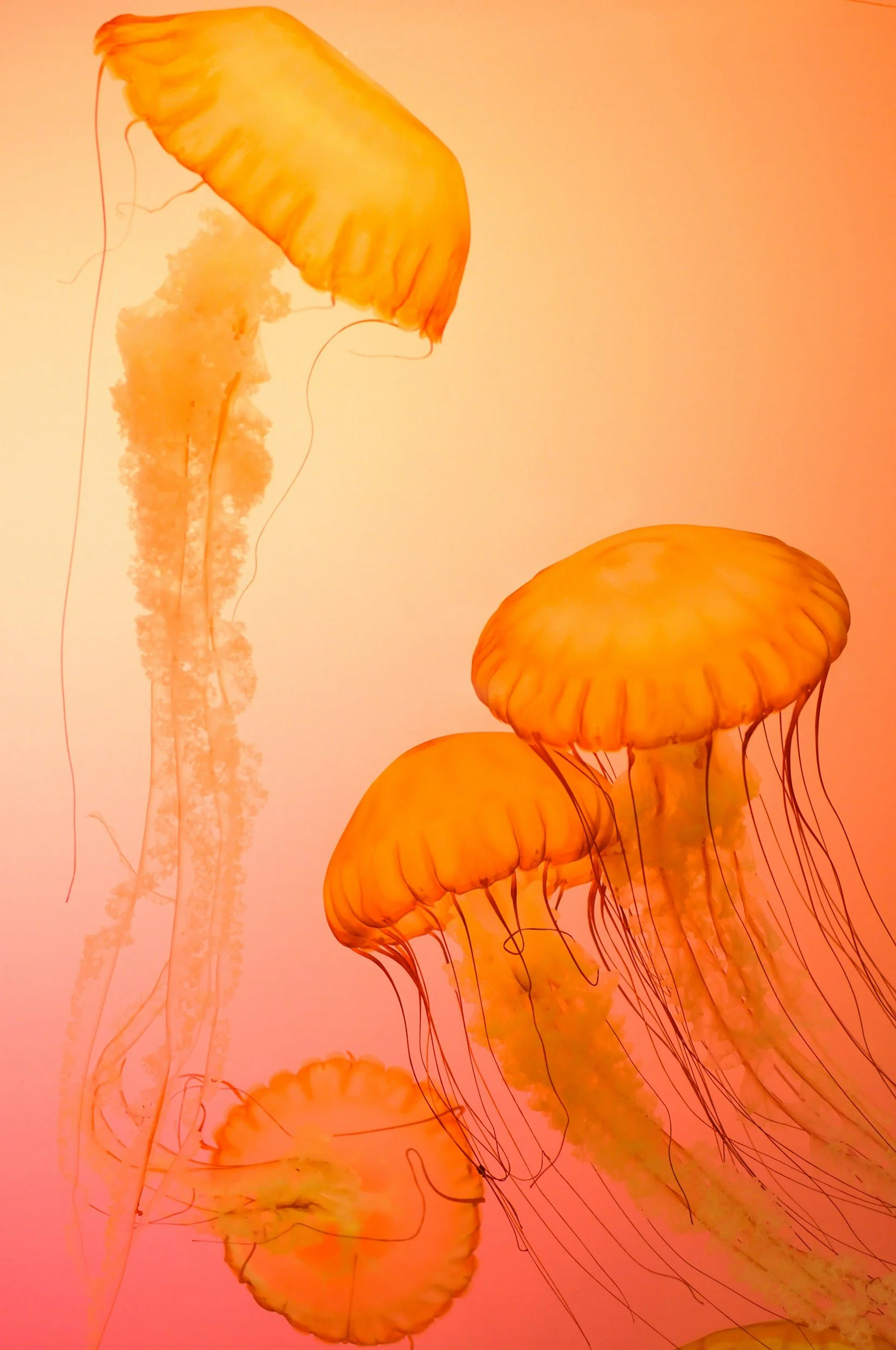
Sea surface temps rising even more
The project is especially timely given recent news about rising ocean temperatures.
The trajectory for ocean surface temperatures has been described by climate scientists as “headed off the charts” and a “signal that more clearly reveals the footprint of our increased interference with the climate system,” according to the Guardian. - Ocean warming is at a record high – what does that mean?
According to a recent article in phys.org, sea surface temperatures are swelling to new highs, indicating that humanity's carbon pollution has the potential to turn oceans into a global warming "time bomb".
It’s a sobering reminder of the impact that our actions have on the planet.
So why choose jellyfish as the focus?
Jellyfish have been proliferating in numbers never before seen: Global swarming: are jellyfish taking over our oceans?).
While rising sea temperatures are certainly one factor in their proliferation, it’s important to take a nuanced view of the issue.
The media has dubbed it the ‘rise of the blob,’ with headlines screaming that ‘Jellyfish are taking over the seas, and it might be too late to stop them!!!!’ But the reality is more complex - the issue is about much more than just rising temperatures.
Through my art, I hope to bring attention to the beauty and diversity of sea life, and to keep it visible for people to encourage others to take action on climate change.






Who does climate change impact the most?
Entire populations across the world are facing life and death situations daily because of the climate crisis.
Whether it’s reducing your carbon footprint or supporting conservation efforts, every action counts. We all have a role to play in protecting our planet for future generations.
This issue impacts some more than others, and equally there are some individuals and corporations and even nations that are far, far more responsible for this than others. This is a global problem which needs a global solution.
Calling on the wealthy, ‘developed’ countries of the West
A very clear responsibility lies with wealthy, developed countries to meaningfully reduce emissions. Countries such as Ireland, where I come from, and Belgium, where I live,
Not only that, they need to be assisting other countries with the resources and support they really need to prevent the catastrophes they’re already being affected by, thanks to climate change caused by the wealthy countries.
“…the 3.6 billion people in developing countries are bearing the brunt of the climate crisis. Given their power, wealth, and responsibility for the climate crisis, the onus is particularly on rich countries in North America and Europe to help vulnerable countries weather climate impacts – and it has never been more urgent.” —- Climate change is devastating the Global South: it is high time for rich countries in North America and Europe to step up and help.