When Climate Activism Meets Art: Introducing ‘The Jellyfish Bloom’
As the Earth continues to warm, the impact on sea life and ecosystems is becoming increasingly obvious. Rising sea temperatures are causing coral reefs to bleach and die and changing the migratory patterns of marine animals.
It’s a problem that affects not just the oceans, but the entire planet, including my back garden here in Geel, Belgium.
It’s been hitting over 40 degrees Celsius out there consistently now for the past few summers and I don’t like it one bit, not least because I’m a pasty Irish person and not made for this kind of desert living.

As a creative person, I’ve been inspired to take action on climate change in my own way. Yes, there are my citizen rewilding actions and communications, but this is different.
Fibre sculptures for climate awareness
I’ve started a climate art project where I create a new jellyfish sculpture every week.
The idea behind the project is to raise awareness of the impact of rising sea temperatures on sea life, and to inspire others to take action, no matter how small.
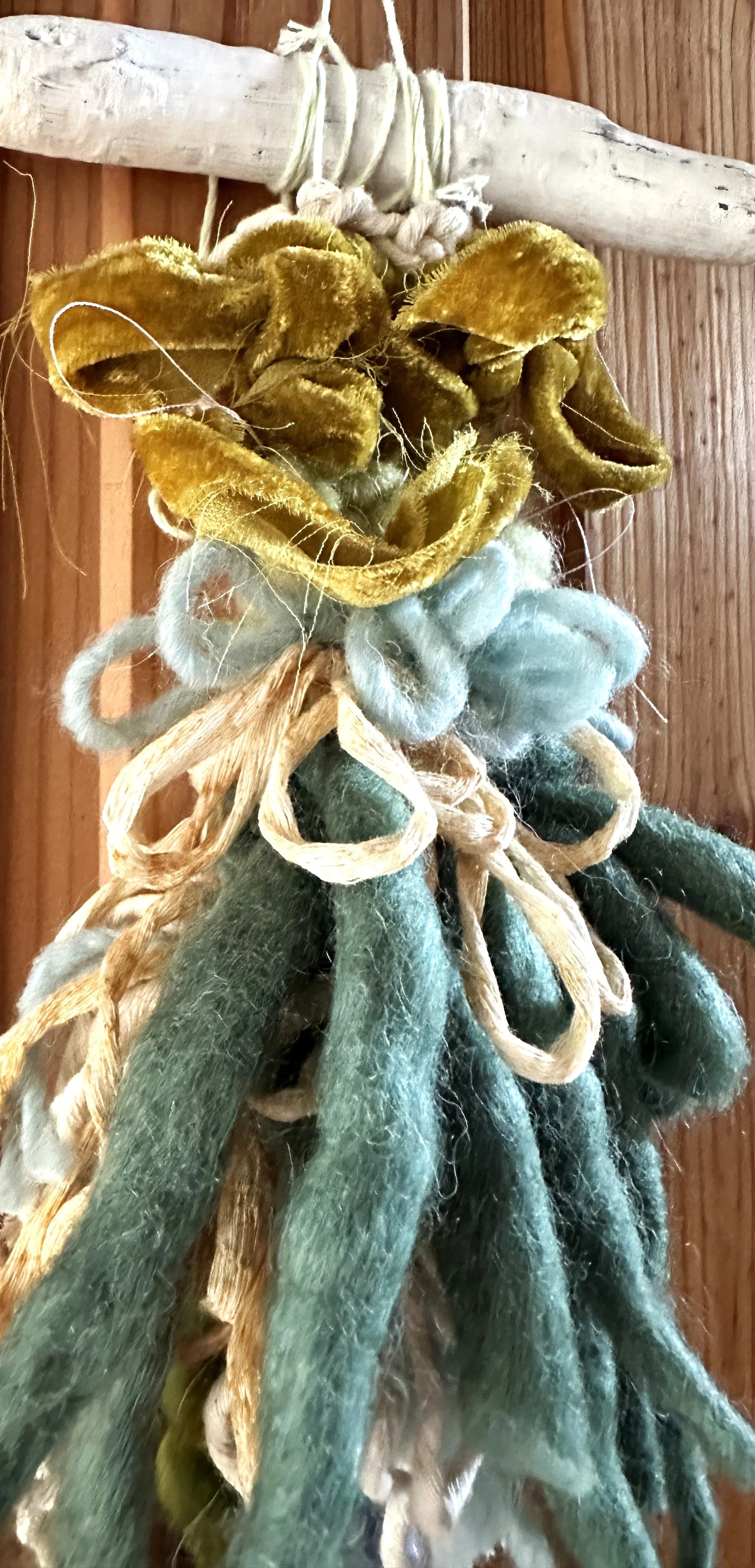
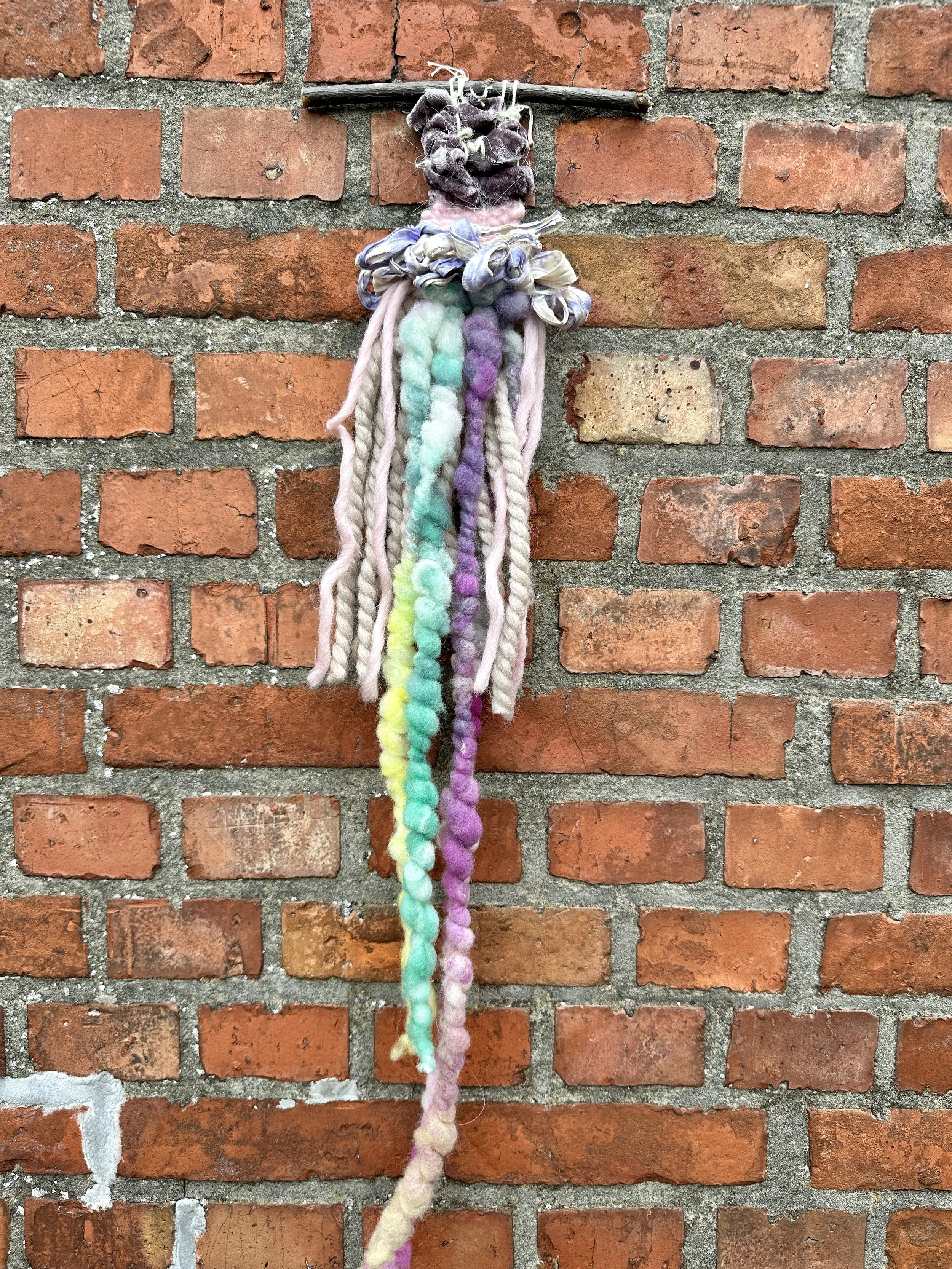
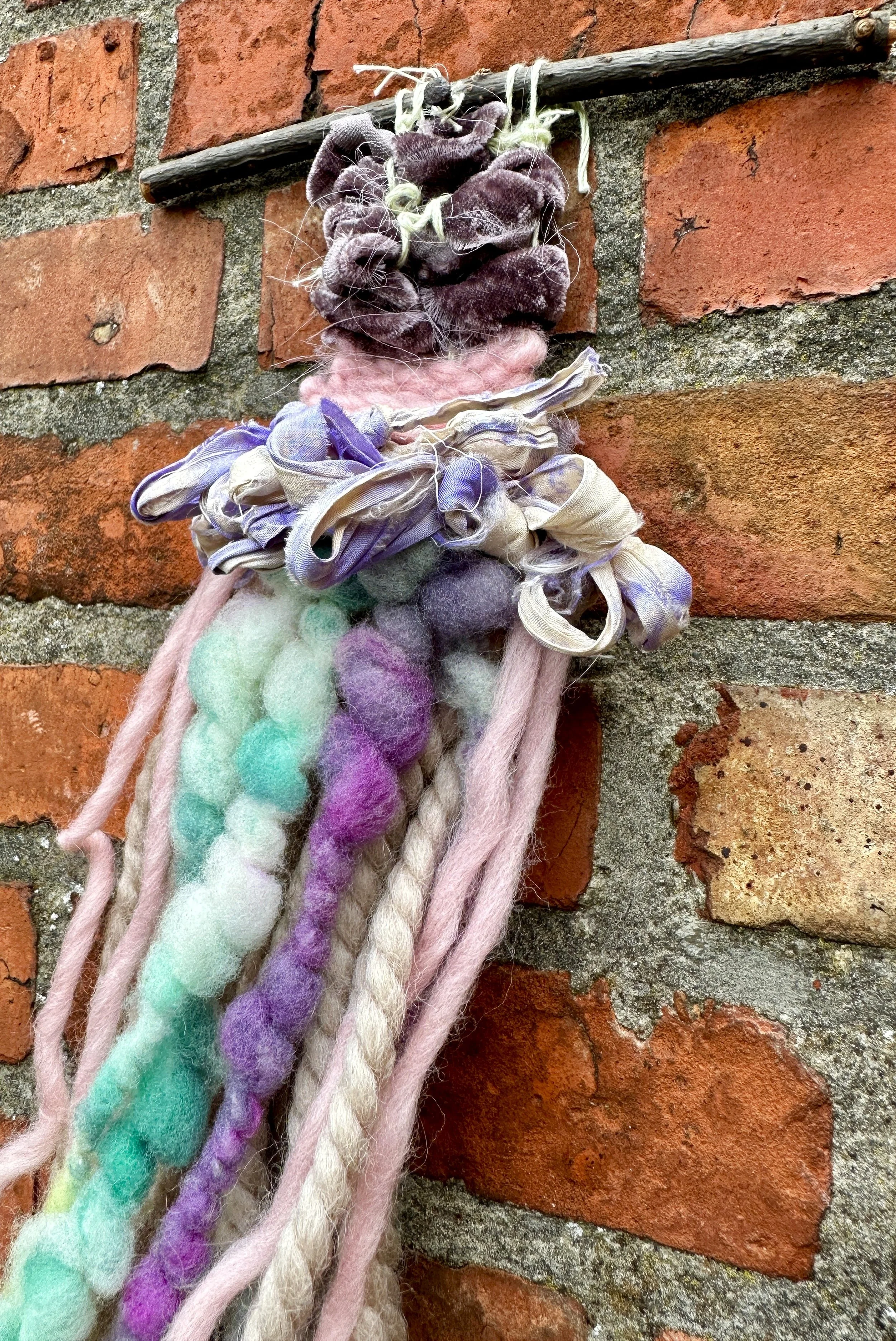
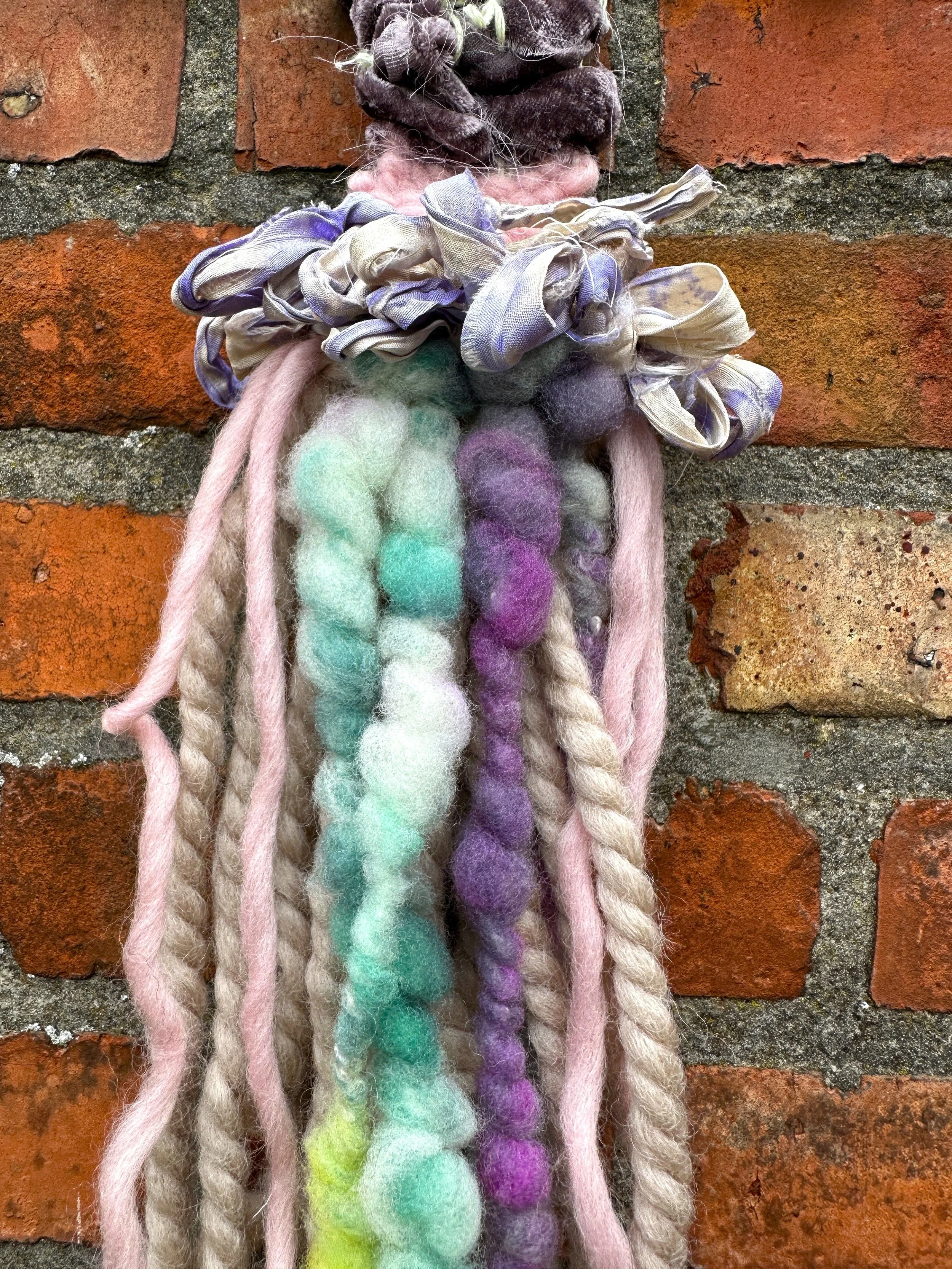
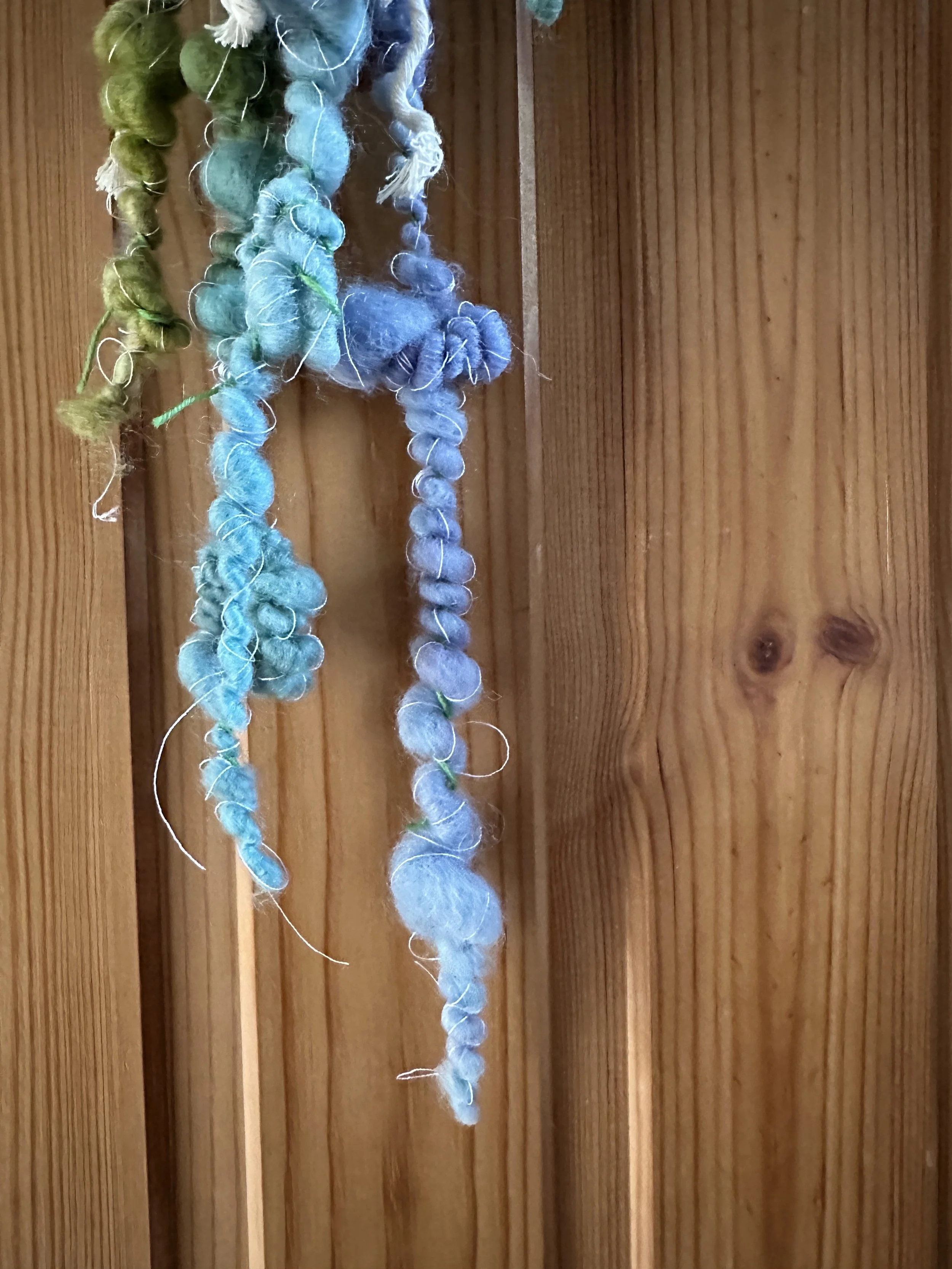
Using a combination of weaving techniques and unique fibres, I create fibre sculptures that are a visual representation of the beauty and diversity of sea life. Each jellyfish is a one of the kind creature, with its own vibrant colours and personality.

This jellyfish specimen measures 51cm x 15cm
Sea surface temperatures rising even more
The project is especially timely given recent news about rising ocean temperatures.
The trajectory for ocean surface temperatures has been described by climate scientists as “headed off the charts” and a “signal that more clearly reveals the footprint of our increased interference with the climate system,” according to the Guardian. - Ocean warming is at a record high – what does that mean?
According to a recent article in phys.org, sea surface temperatures are swelling to new highs, indicating that humanity's carbon pollution has the potential to turn oceans into a global warming "time bomb".
It’s a sobering reminder of the impact that our actions have on the planet.
So why choose jellyfish as the focus of this climate art initiative?
Jellyfish have been in the news lately because they’re proliferating in numbers never before seen (see also, Global swarming: are jellyfish taking over our oceans?). While rising sea temperatures are certainly one factor in their proliferation, it’s important to take a nuanced view of the issue.
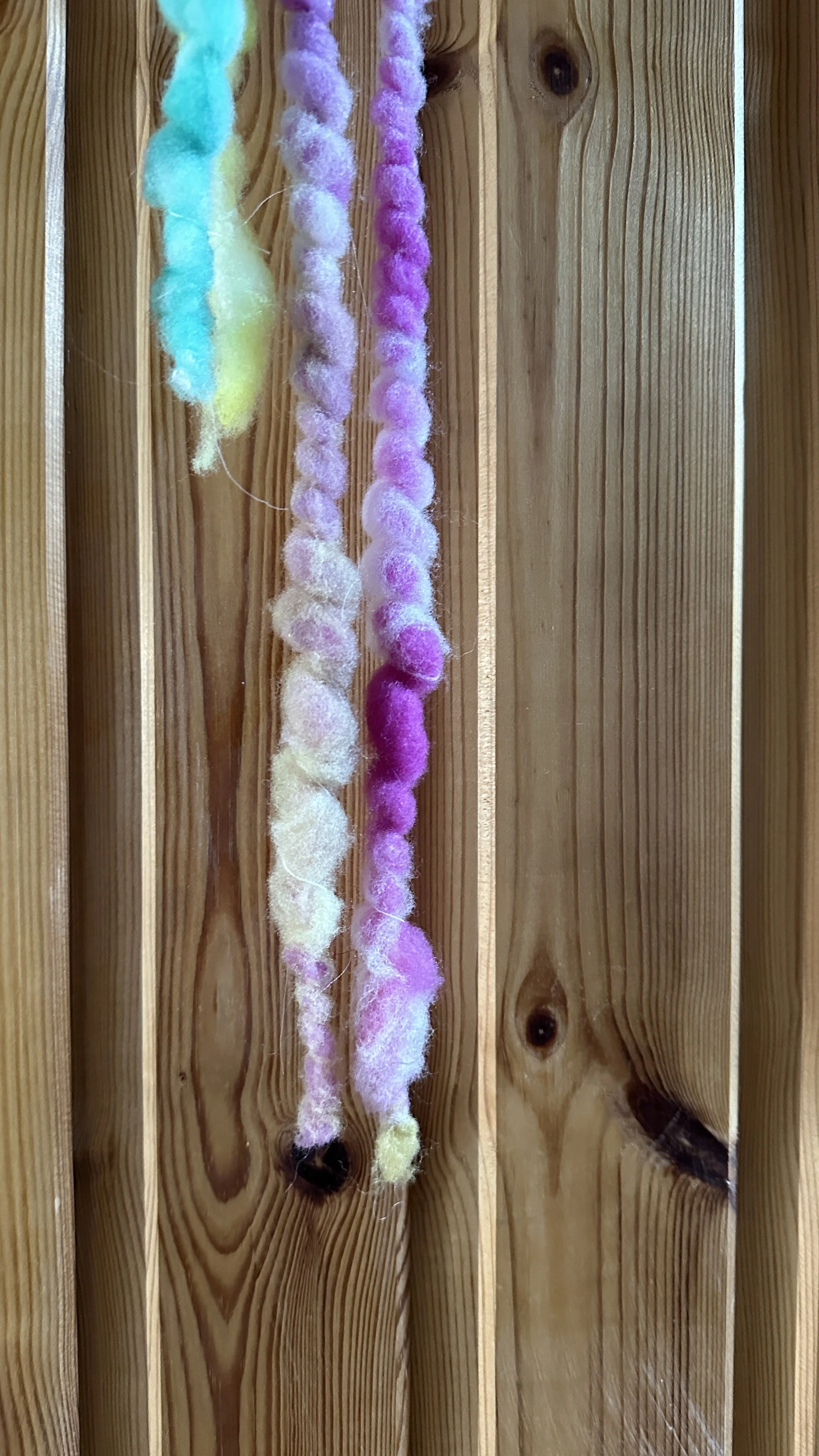
This particular jellyfish specimen is a long, mischievous creature that measures 67cm x 18cm
The media has dubbed it the ‘rise of the blob,’ with headlines screaming that ‘Jellyfish are taking over the seas, and it might be too late to stop them!!!!’ But the reality is more complex - the issue is about much more than just rising temperatures.
Through my art, I hope to bring attention to the beauty and diversity of sea life, and to keep it visible for people to encourage others to take action on climate change.
Who does climate change impact the most?
Entire populations across the world are facing life and death situations daily because of the climate crisis.
Whether it’s reducing your carbon footprint or supporting conservation efforts, every action counts. We all have a role to play in protecting our planet for future generations.
This issue impacts some more than others, and equally there are some individuals and corporations and even nations that are far, far more responsible for this than others. This is a global problem which needs a global solution.
I would argue that a very clear responsibility lies with wealthy, developed countries such as Ireland, where I come from, and Belgium, where I live, to meaningfully reduce emissions while assisting developing countries with the resources and support they really need to prevent the catastrophes they’re already being affected by, thanks to climate change.
“…the 3.6 billion people in developing countries are bearing the brunt of the climate crisis. Given their power, wealth, and responsibility for the climate crisis, the onus is particularly on rich countries in North America and Europe to help vulnerable countries weather climate impacts – and it has never been more urgent. Despite the negligible contribution that most vulnerable countries have made to cause climate change, these countries are the most ambitious in tackling it – but they cannot fight this crisis on their own. Not only is this the moral thing to do, but it will also help minimise the challenges and costs down the road, such as disaster recovery efforts and the migration of climate refugees forced to leave their homelands as they become increasingly uninhabitable.” —- Climate change is devastating the Global South: it is high time for rich countries in North America and Europe to step up and help.

The future is fertile
As I wrote in Our small, fragile, one precious person actions, every action helps, and every plant helps, no matter how insignificant you feel when you’re putting it into the earth. Research is proving now that micro rewilding is essential to cooling down our cities.
Read more about rewilding in urban environments in my newsletter (Re)wild Imagination. It explores how art can sustain hope amid the climate crisis, and how ordinary people can help the environment by supporting native wildlife in local areas.